HCIed Lab · Texas A&M University
Portrait of Jeeeun Kim

Jeeeun Kim

My research identifies and resolves mismatches between human capabilities and the affordances of the physical world.

Associate Professor, Computer Science & Engineering
Director of the HCIed Lab · Faculty affiliate of TAMIDS · Founding organizer of TxHCI Seminar Series · Faculty advisor of Aggie Women in Computer Science (AWICS).

My research explores how people can adapt the physical world to their diverse abilities, tasks, and contexts. I develop end-user tools that transform passive everyday objects into adaptive interfaces capable of sensing, actuation, and context-aware behavior. My work combines AI for understanding situated human–object interactions with computational design and fabrication, empowering people to redesign and personalize the physical world. I also develop human-centric datasets that advance AI for understanding how people physically interact with their surroundings.

My work has been recognized with the NSF CAREER Award, the Ralph E. Powe Junior Faculty Award, Montague-Center for Teaching Excellence Scholar, the Adobe Fellowship, and the TEES Young Faculty Fellow at Texas A&M University.

News
Publications
FABRIC
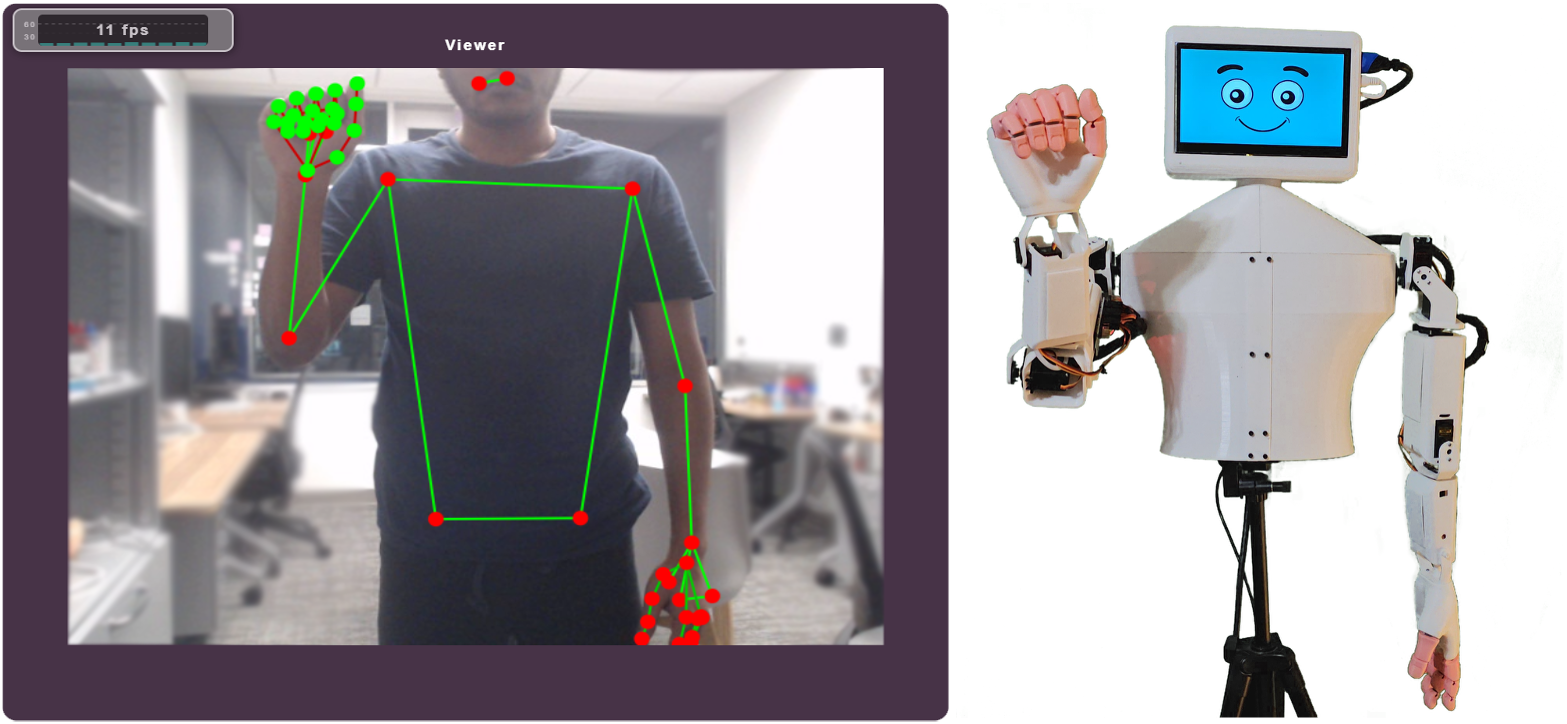
FABRIC: Fabricating Bodily-Expressive Robots for Inclusive and Low-Cost Design
IEEE/RSJ International Conference on Intelligent Robots and Systems (IROS’25)
2025IROSPDF↗
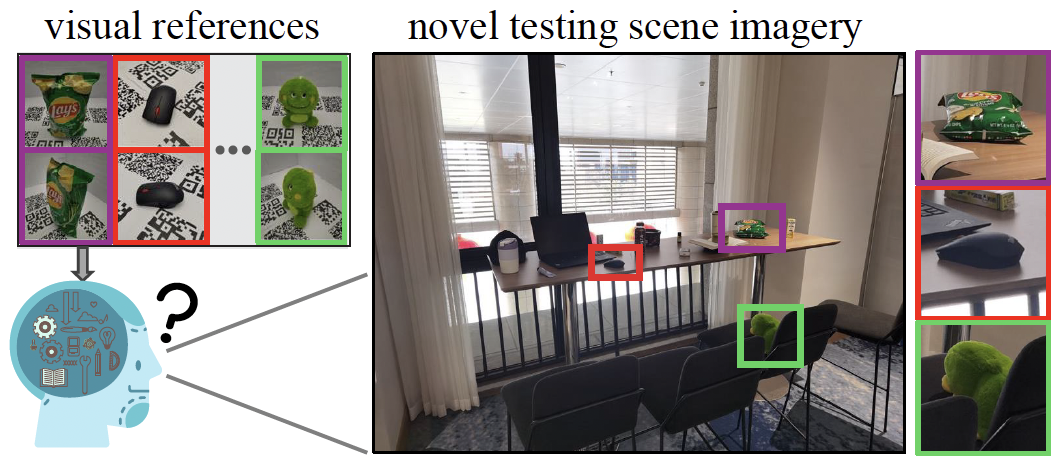
Instance Detection Open World
Solving Instance Detection from an Open-World Perspective
IEEE/CVF Conference on Computer Vision and Pattern Recognition (CVPR’25)
2025CVPRPDF↗
LumosX
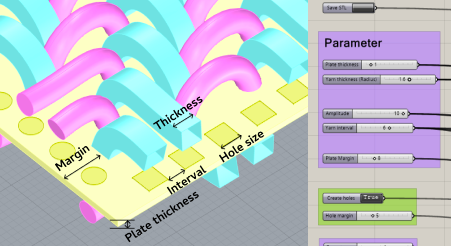
LumosX: 3D Printed Anisotropic Light-Transfer
CHI Conference on Human Factors in Computing Systems (CHI’25)
2025CHIPDF↗
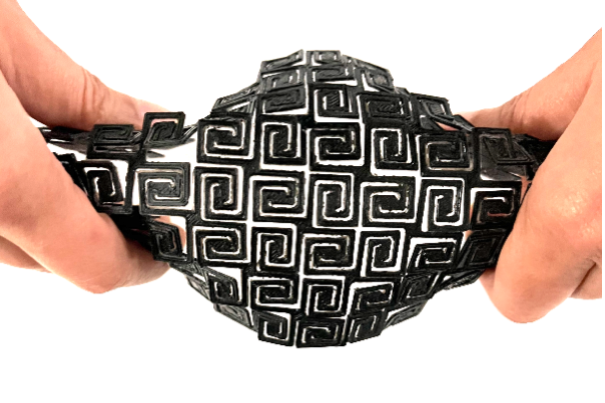
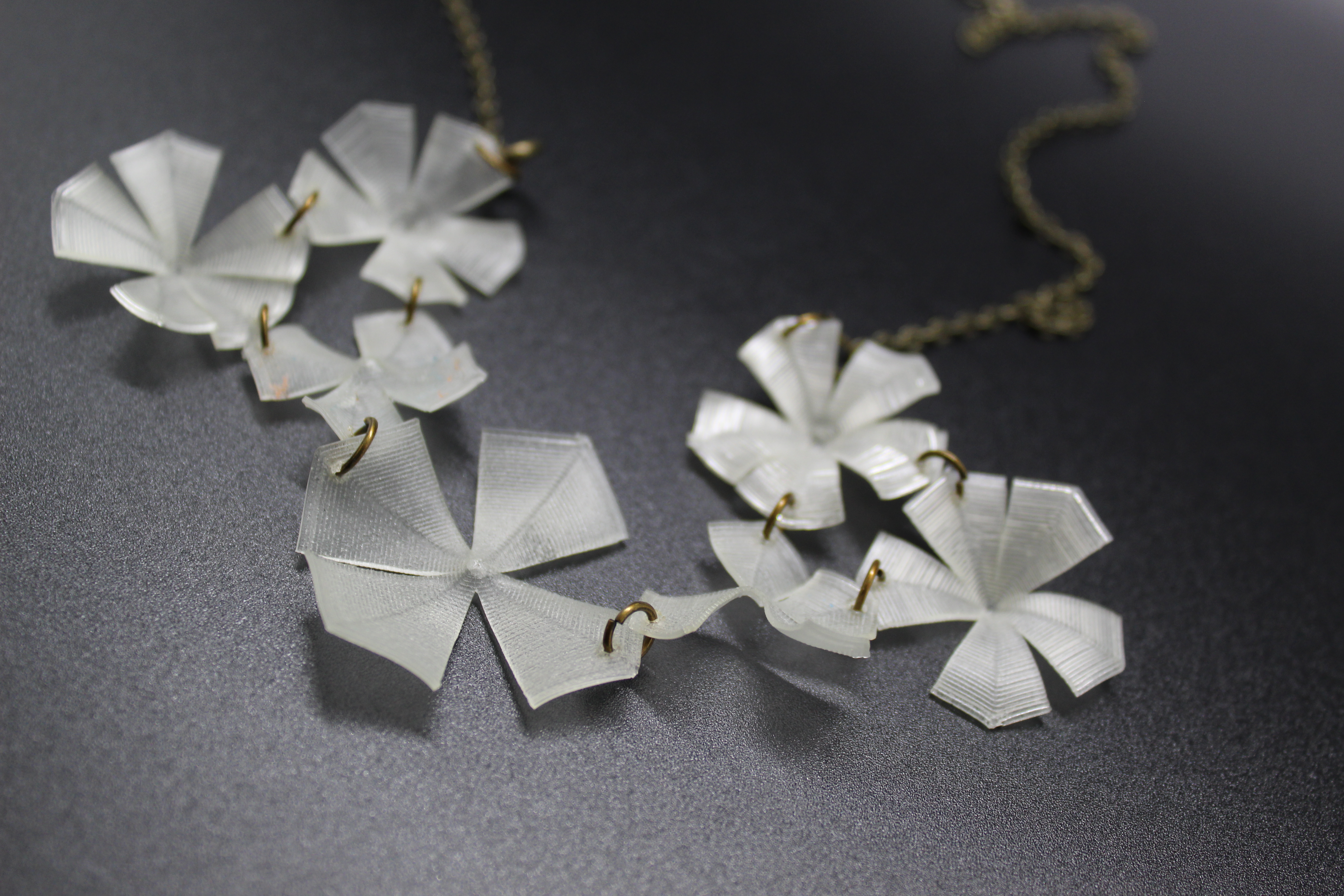
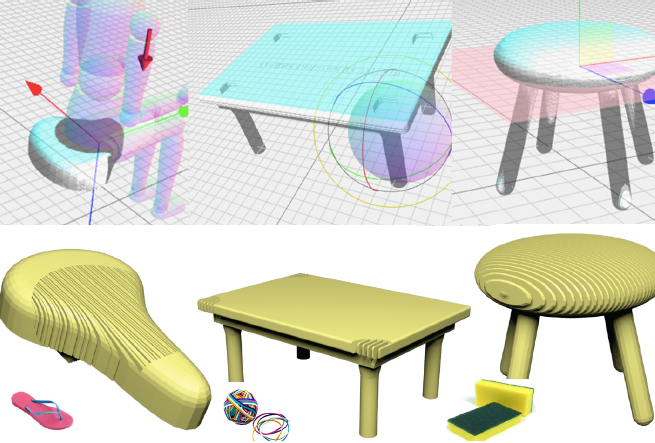
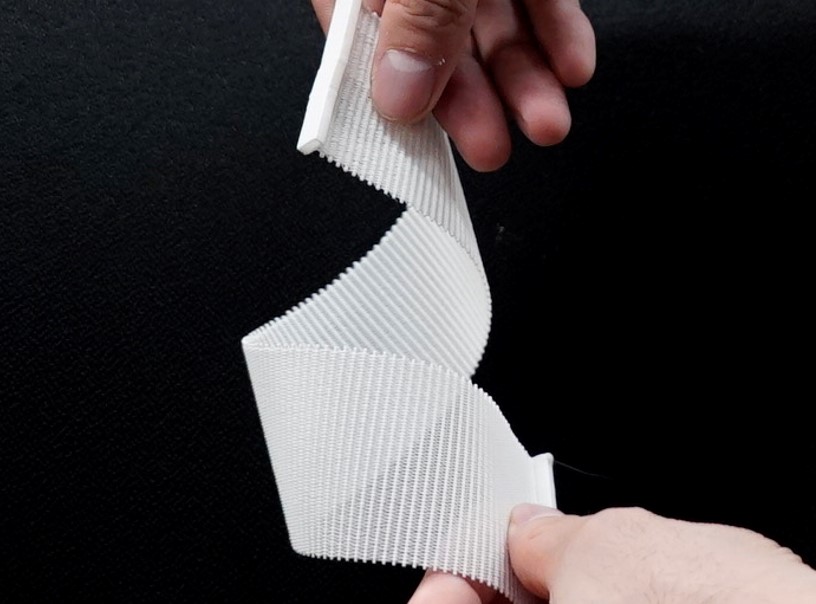
3D Printed Kerf Structures
International Conference on Tangible, Embedded, and Embodied Interaction (TEI’25)
2025TEIPDF↗
Unmake to Remake
Unmake to Remake: Materiality-driven Rapid Prototyping
ACM Transactions on Computer-Human Interaction (ToCHI · presented at UIST’24)
2024ToCHIPDF↗
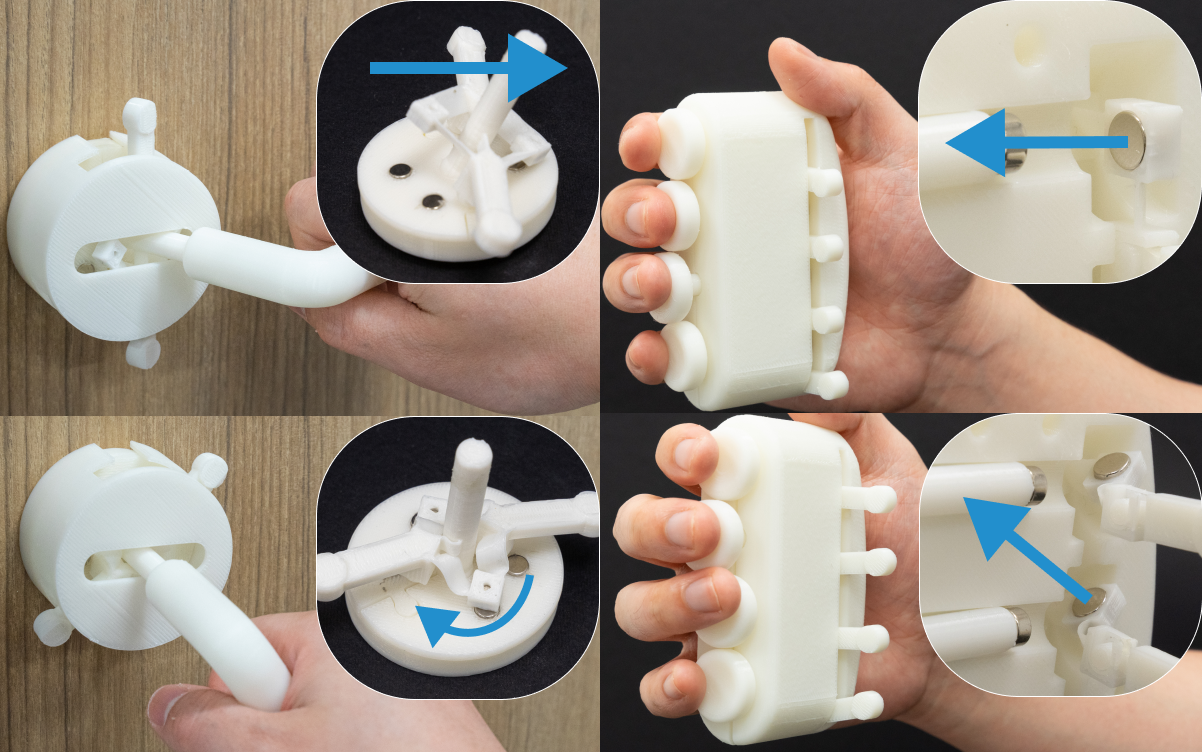
MorphMag
Reconfigurable Interfaces by Shape Change and Embedded Magnets
CHI Conference on Human Factors in Computing Systems (CHI’24)
2024CHIPDF↗
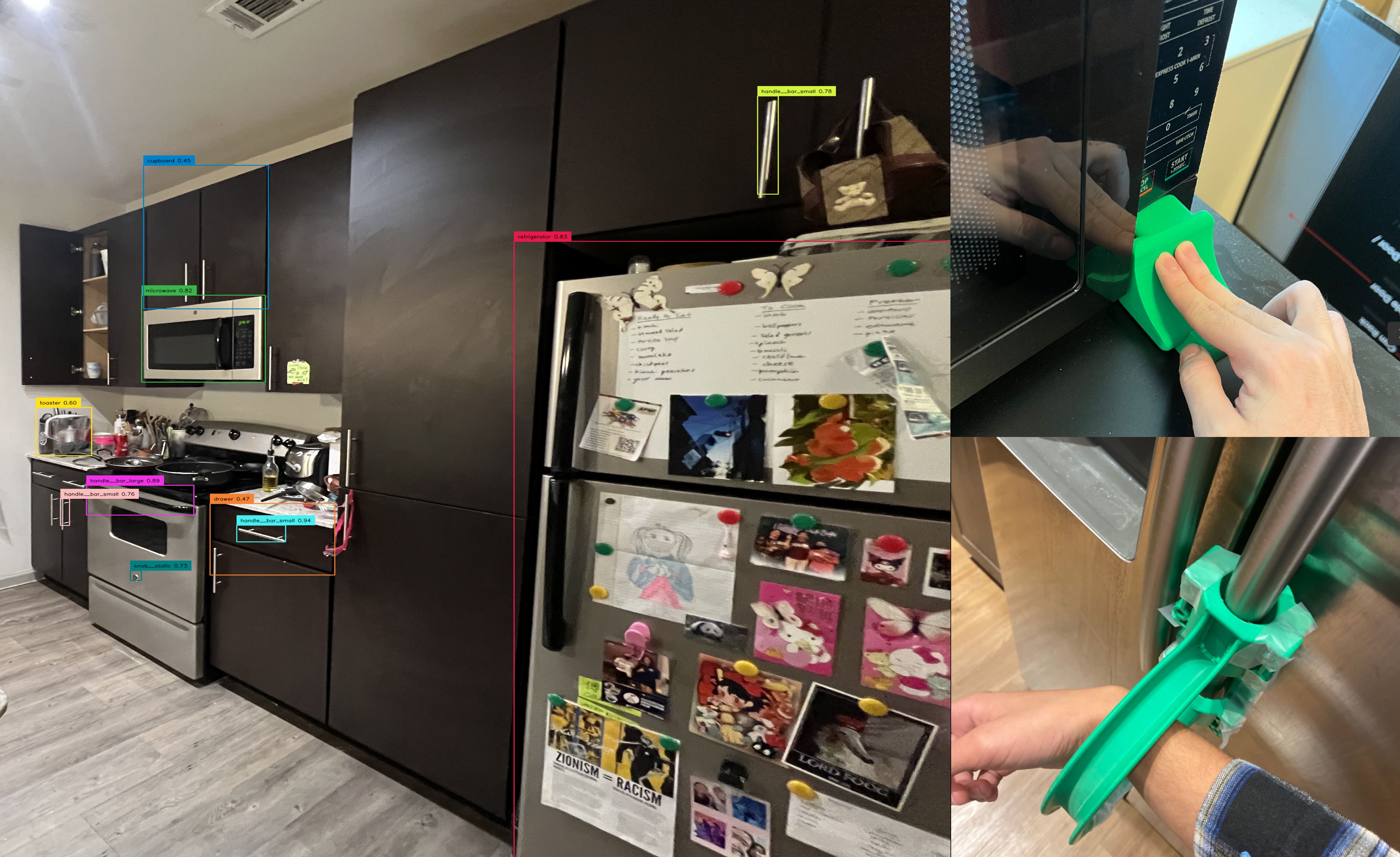
AccessLens
AccessLens: Auto-detecting Inaccessibility of Everyday Objects
CHI Conference on Human Factors in Computing Systems (CHI’24)
2024CHIarXiv↗
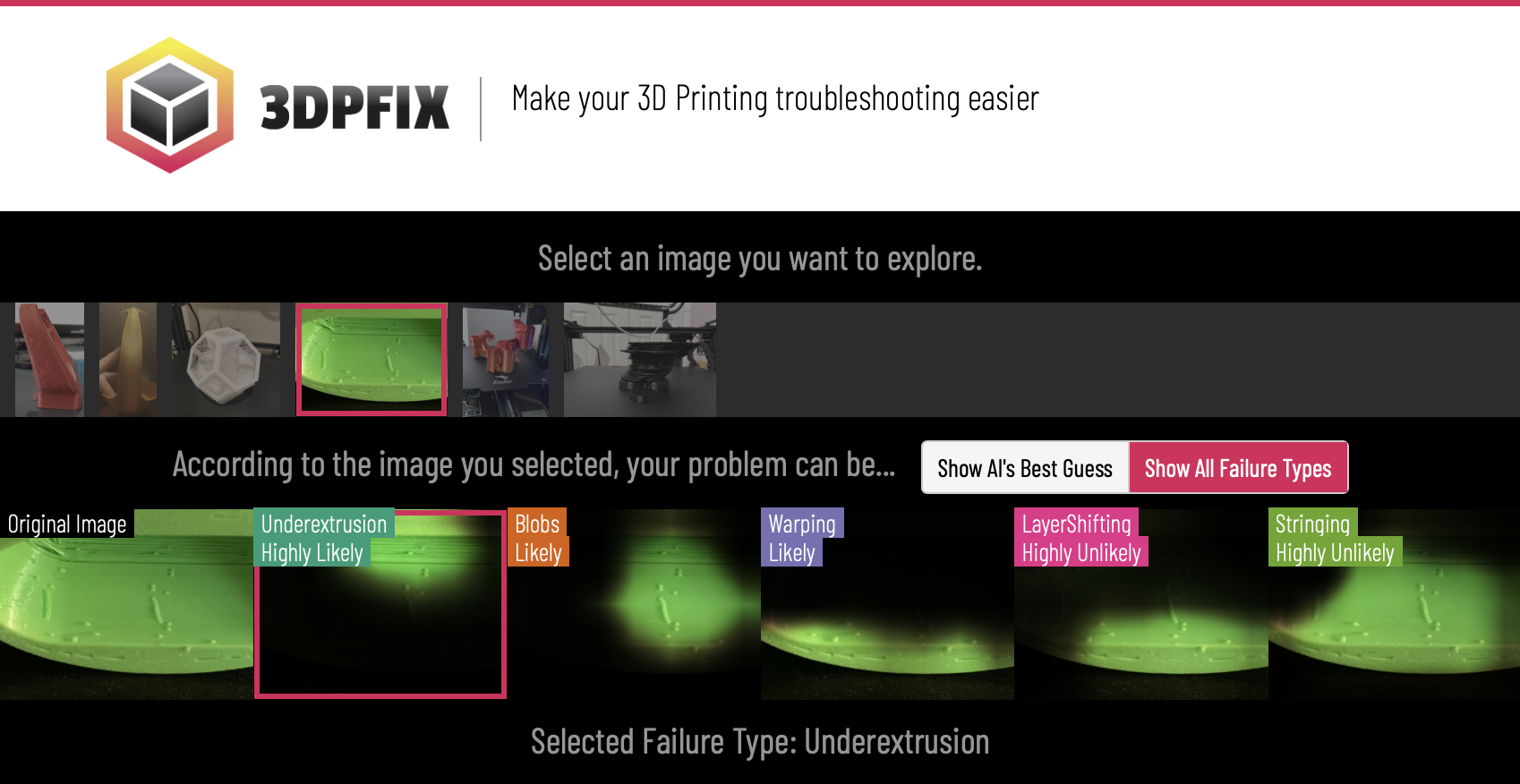
3DPFIX
3DPFIX: Improving Remote Novices’ 3D Printing Troubleshooting through Human-AI Collaboration
Proceedings of the ACM on Human-Computer Interaction (CSCW’24)
2024CSCWarXiv↗
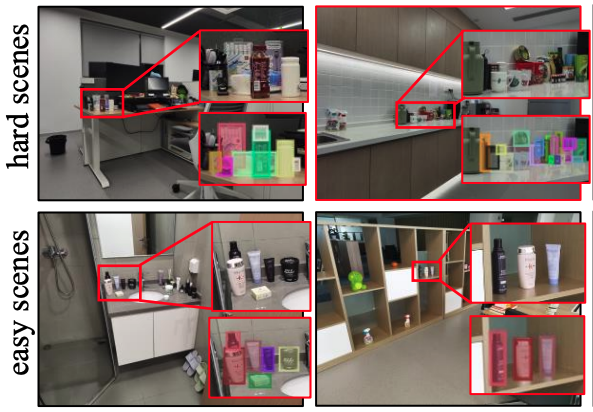
High-Resolution Instance Detection Dataset
A High-Resolution Dataset for Instance Detection with Multi-View Instance Capture
Advances in Neural Information Processing Systems (NeurIPS’23)
2023NeurIPSPDF↗Project↗
E3D
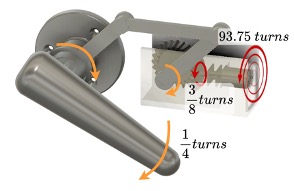
E3D: Harvesting Energy from Everyday Kinetic Interactions Using 3D Printed Attachment Mechanisms
Proceedings of the ACM IMWUT (presented at Ubicomp’23)
2023IMWUTPDF↗
Composite filaments
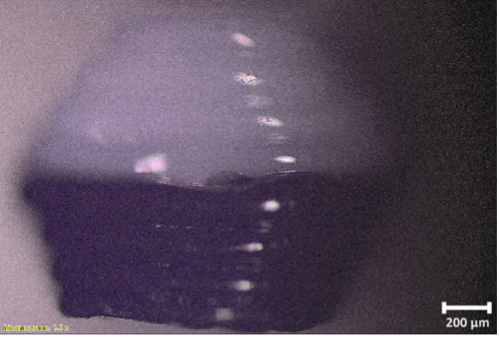
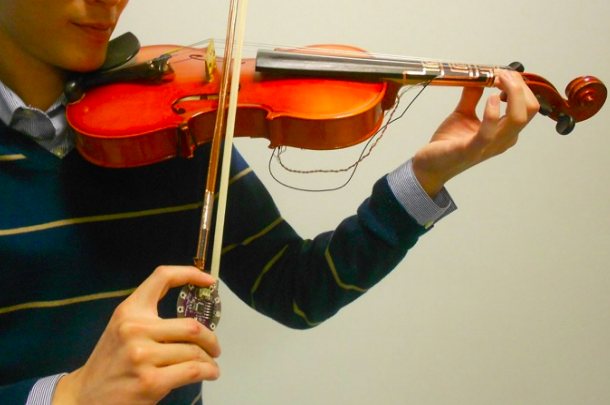
Tuning Mechanical Properties of 3D Printed Composites with PLA:TPU Programmable Filaments
Composite Structures, Vol. 318 (Elsevier)
2023ElsevierPDF↗
Measurement Patterns
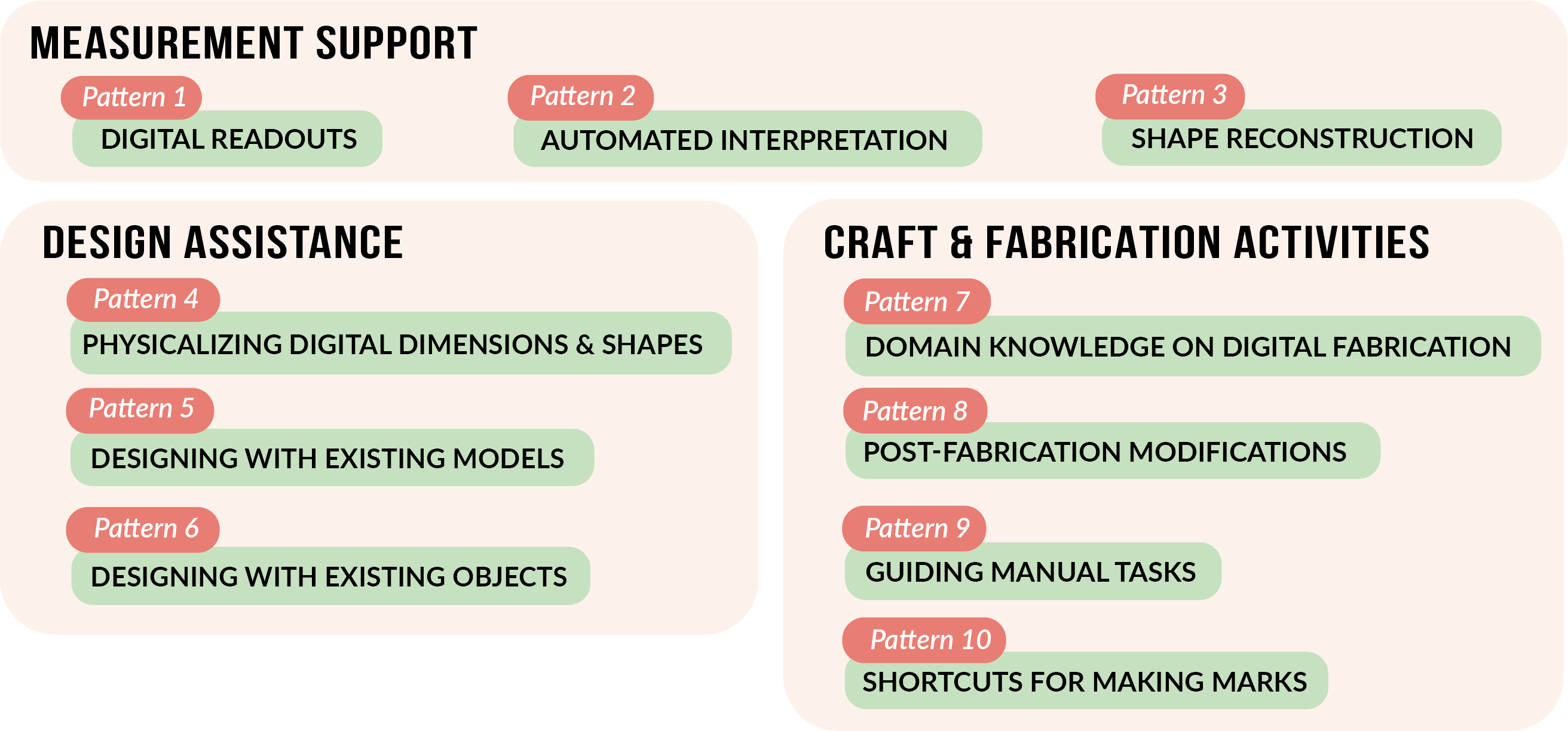
Measurement Patterns: User-Oriented Strategies for Dealing with Measurements and Dimensions in Making Processes
CHI Conference on Human Factors in Computing Systems (CHI’23)
2023CHIPDF↗
Freeform kerf structures
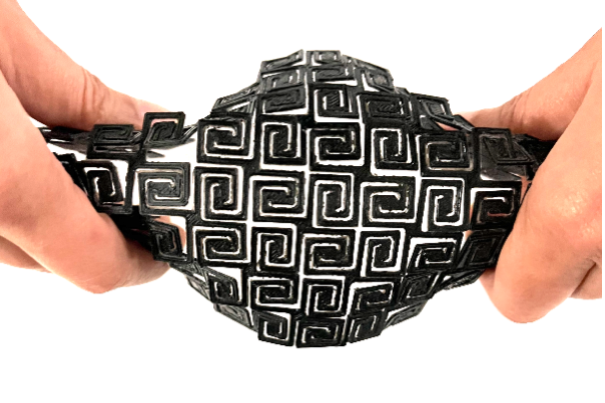
An Exploration of 3D Printed Freeform Kerf Structures
SPIE Smart Structures + Nondestructive Evaluation, Vol. 12484
2023SPIEPDF↗
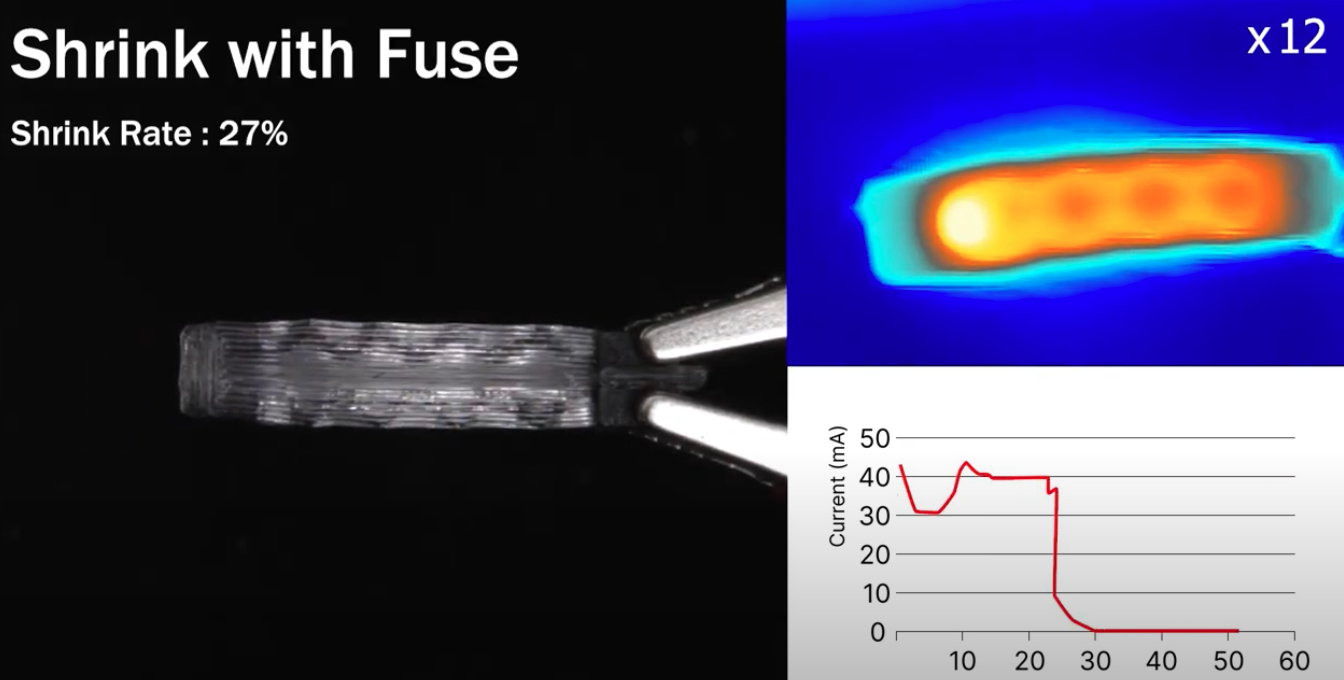
ShrinkCells
ShrinkCells: Localized and Sequential Shape-Changing Actuation of 3D-Printed Objects via Selective Heating
Annual Symposium on User Interface Software and Technology (UIST’22)
2022UISTPDF↗
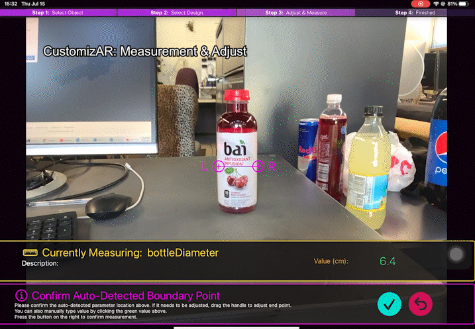
CustomizAR
CustomizAR: Facilitating Interactive Exploration and Measurement of Adaptive 3D Designs
ACM Conference on Designing Interactive Systems (DIS’22)
2022DISPDF↗
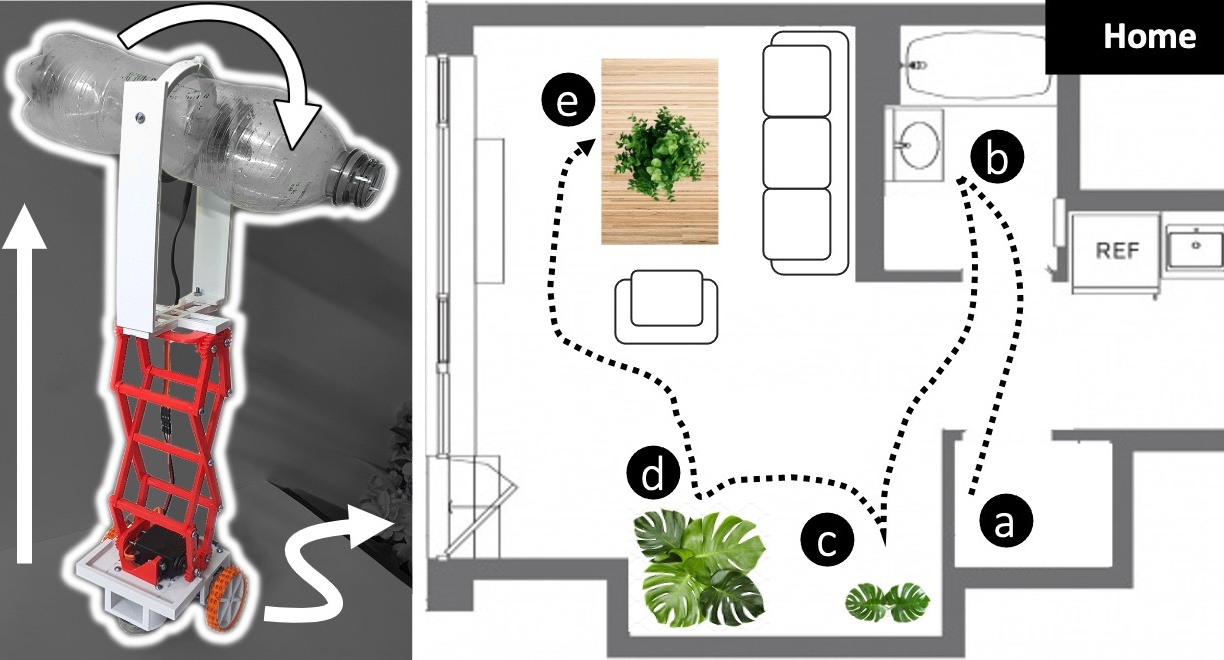
Mobiot
Mobiot: Augmenting Everyday Objects into Moving IoT Devices Using 3D Printed Attachments Generated by Demonstration
CHI Conference on Human Factors in Computing Systems (CHI’22)
2022CHIPDF↗
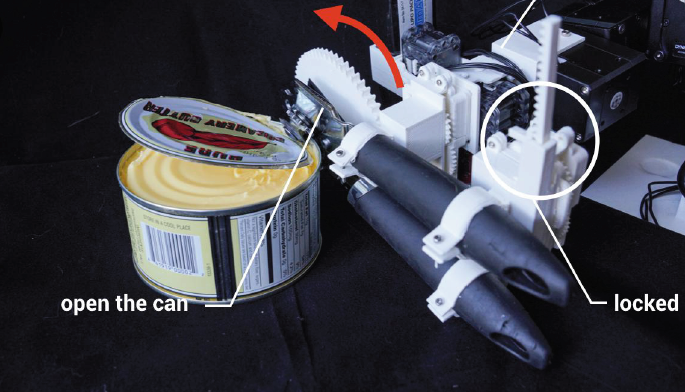
Roman
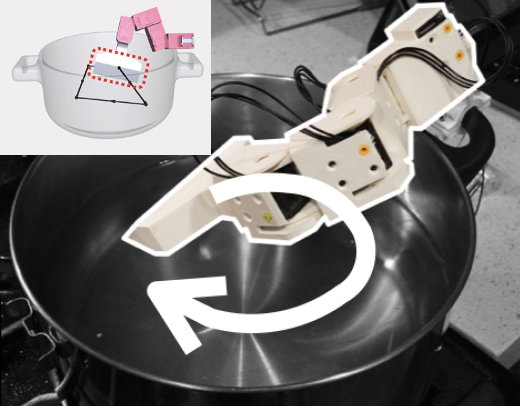
Roman: Making Everyday Objects Robotically Manipulable with 3D-Printable Add-on Mechanisms
CHI Conference on Human Factors in Computing Systems (CHI’22)
2022CHIPDF↗
Fab4D
Fab4D: An Accessible Hybrid Approach for Programmable Shaping and Shape Changing Artifacts
TEI’22 · ACM SIGGRAPH 2022 Labs
2022TEIPDF↗
Telelife
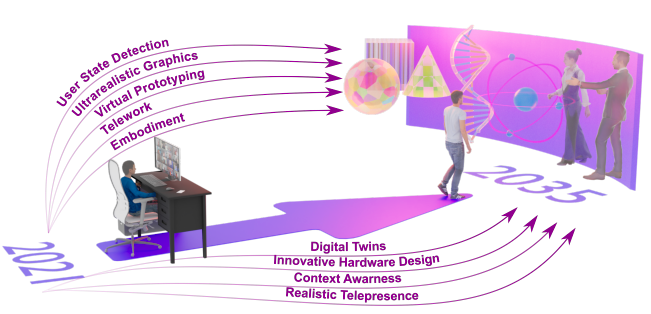
Telelife: The Future of Remote Living
Frontiers in Virtual Reality
2021FrontiersDOI↗
Multi-ttach
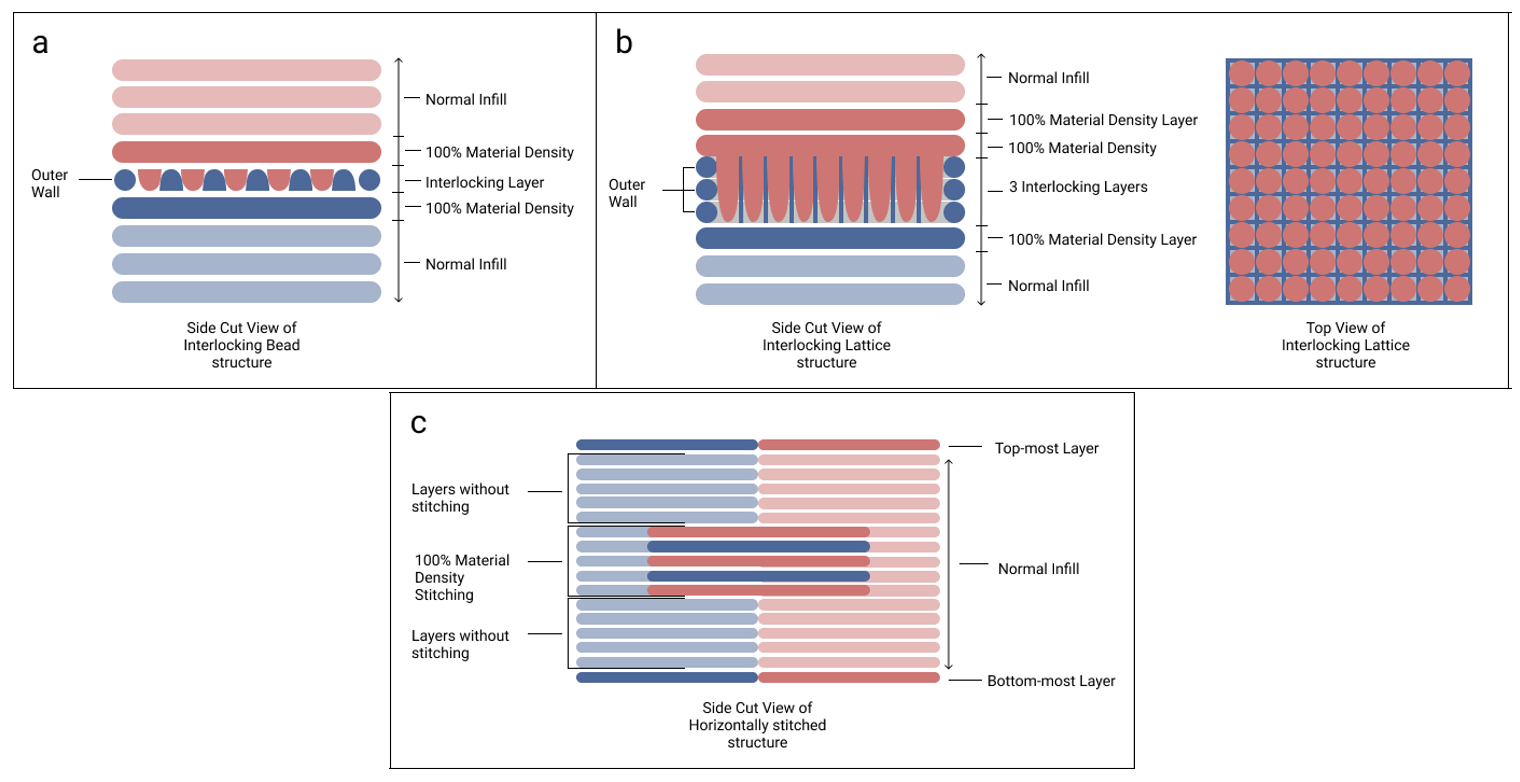
Multi-ttach: Techniques to Enhance Multi-material Attachments in Low-cost FDM 3D Printing
ACM Symposium on Computational Fabrication (SCF’21)
3D4ALL
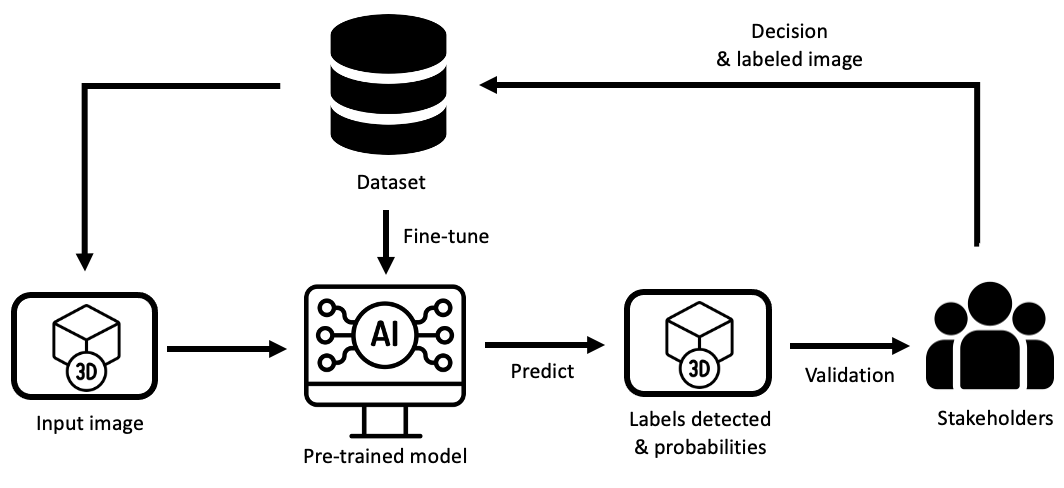
3D4ALL: Toward an Inclusive Pipeline to Classify 3D Contents
TExSS’21 (Workshop at IUI’21)
EscapeLoom
EscapeLoom: Fabricating New Affordances for Hand Weaving
CHI Conference on Human Factors in Computing Systems (CHI’21)
2021CHIPDF↗
HowDIY
HowDIY: Towards Meta-Design Tools to Support Anyone to 3D Print Anywhere
Annual Conference on Intelligent User Interfaces (IUI’21)
OmniSoft
OmniSoft: A Design Tool for Soft Objects by Example
International Conference on Tangible, Embedded, and Embodied Interaction (TEI’21)
2021TEIPDF↗
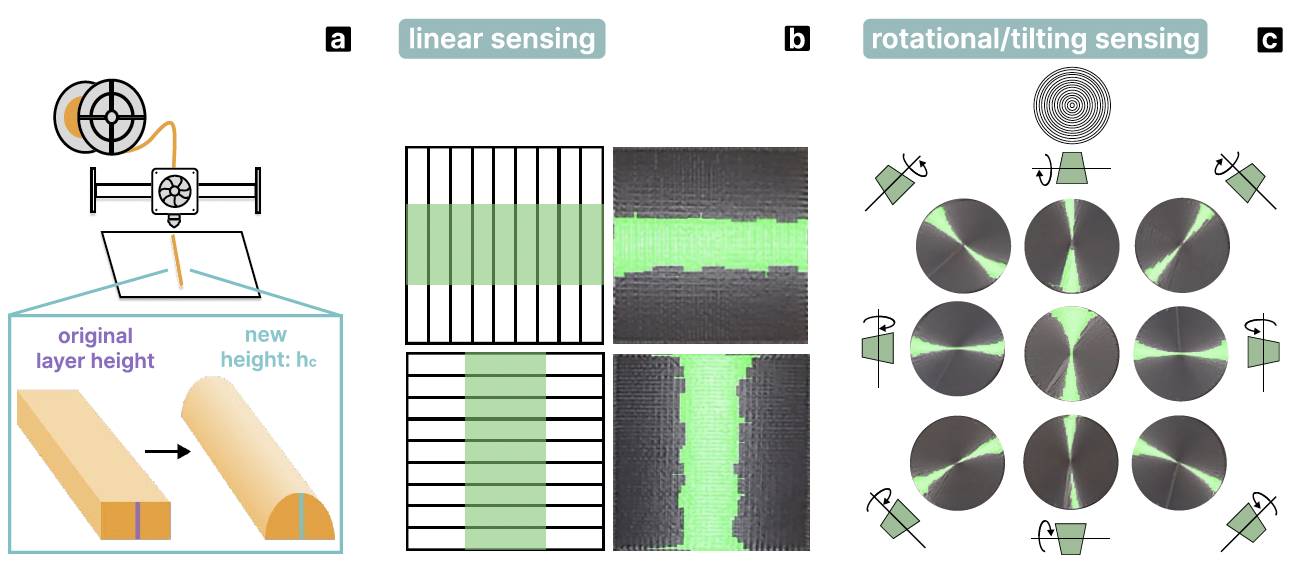
Programmable Filament
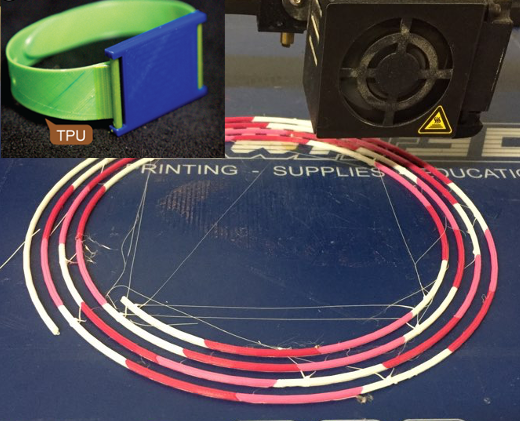
Programmable Filament: Printed Filaments for Multi-material 3D Printing
Annual Symposium on User Interface Software and Technology (UIST’20)
2020UIST★ Best of UIST HMPDF↗
Romeo
Romeo: A Design Tool for Embedding Transformable Parts in 3D Models to Robotically Augment Default Functionality
Annual Symposium on User Interface Software and Technology (UIST’20)
2020UISTPDF↗
Anyone Can Print
“Anyone Can Print”: Supporting Collaborations with 3D Printing Services to Empower Broader Participation in Personal Fabrication
Nordic Conference on Human-Computer Interaction (NordiCHI’20)
2020NordiCHIPDF↗
3D Printed Fabric
3D Printed Fabric: Techniques for Design and 3D Weaving Programmable Textiles
Annual Symposium on User Interface Software and Technology (UIST’19)
2019UISTPDF↗
Robiot
Robiot: A Design Tool for Actuating Everyday Objects with Automatically Generated 3D Printable Mechanisms
Annual Symposium on User Interface Software and Technology (UIST’19)
2019UISTPDF↗
Parent-Child Interactions
Parent-Child Interactions and Word Learning: Introducing Vocabulary in Different Play Contexts
Annual Meeting of the Cognitive Science Society (CogSci’19)
2019CogSci
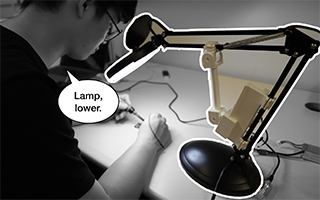
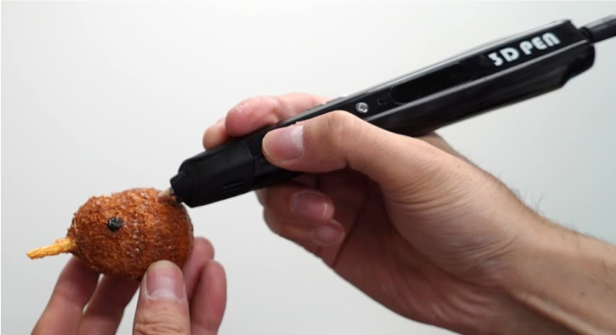
3D Pen + 3D Printer
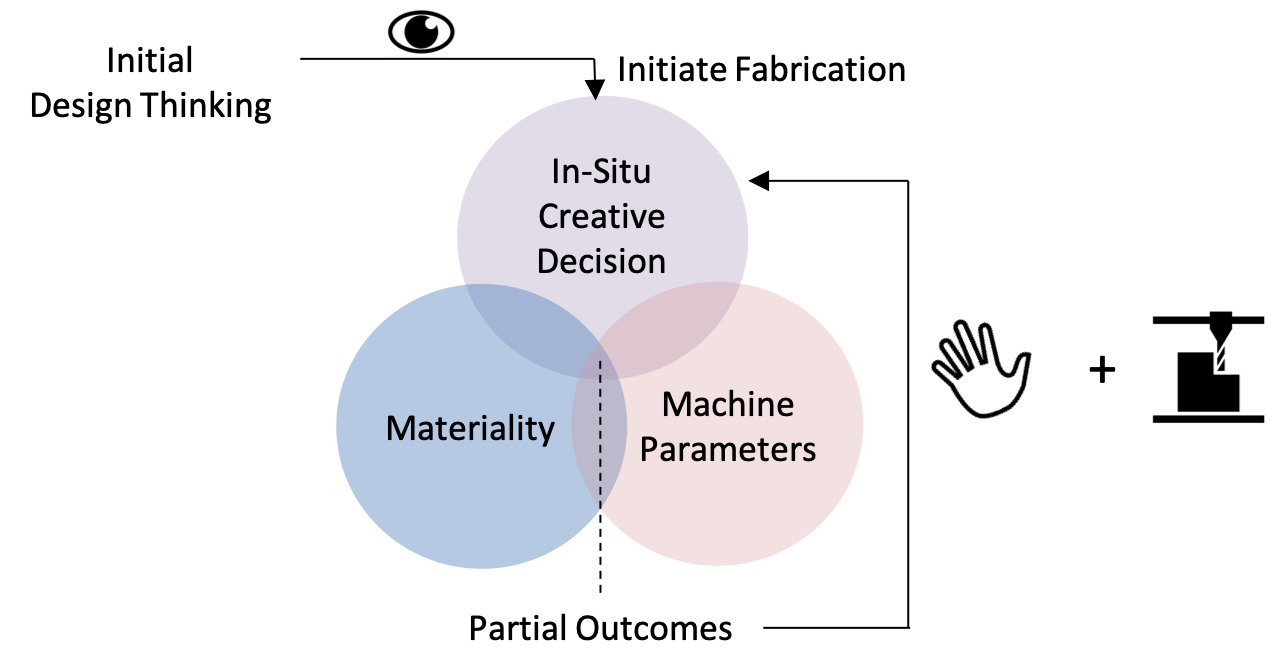
3D Pen + 3D Printer: Exploring the Role of Human and Fabrication Machine in Creative Making
CHI Conference on Human Factors in Computing Systems (CHI’19)
Mechamagnets
Mechamagnets: Designing and Fabricating Haptic and Functional Physical Inputs with Embedded Magnets
International Conference on Tangible, Embedded, and Embodied Interaction (TEI’19)
Compositional 3D Printing
Compositional 3D Printing: Expanding & Supporting Workflows Towards Compositional 3D Printing
ACM Symposium on Computational Fabrication (SCF’18)
CraftML
CraftML: 3D Modeling is Web Programming
Jeeeun Kim & Tom Yeh · CHI Conference on Human Factors in Computing Systems (CHI’18)
Understanding Uncertainty in Measurement
Understanding Uncertainty in Measurement and Accommodating its Impact in 3D Modeling and Printing
ACM Conference on Designing Interactive Systems (DIS’17)
Machines as Co-Designers
Machines as Co-Designers: A Fiction on the Future of Human-Fabrication Machine Interaction (alt.chi)
Extended Abstracts, CHI Conference on Human Factors in Computing Systems (CHI’17)
2017alt.chiPDF↗BibTeX↗
Facade
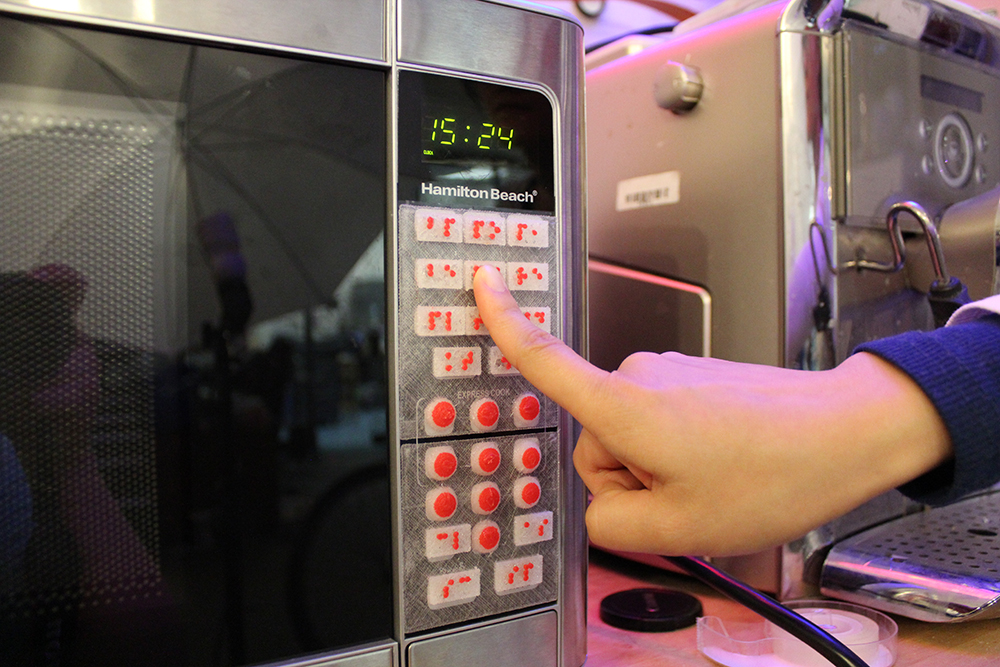
Facade: Auto-generating Tactile Interfaces to Appliances
CHI Conference on Human Factors in Computing Systems (CHI’17)
FoldMecha
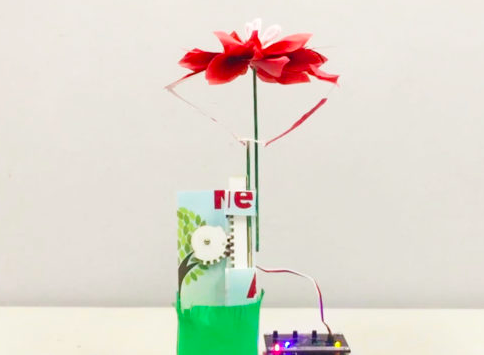
FoldMecha: Exploratory Design and Engineering of Mechanical Papercraft
International Conference on Tangible, Embedded, and Embodied Interaction (TEI’17)
Reprise
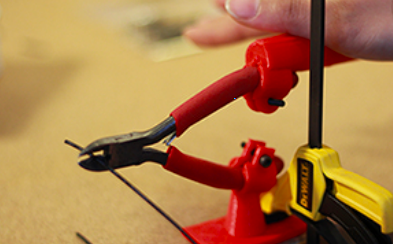
Reprise: A Design Tool for Specifying, Generating, and Customizing 3D Printable Adaptations on Everyday Objects
Annual Symposium on User Interface Software and Technology (UIST’16)
Seen Music
Seen Music: Ambient Music Data Visualization for Children with Hearing Impairments
ACM Interaction Design and Children (IDC’15)
2015IDCPDF↗
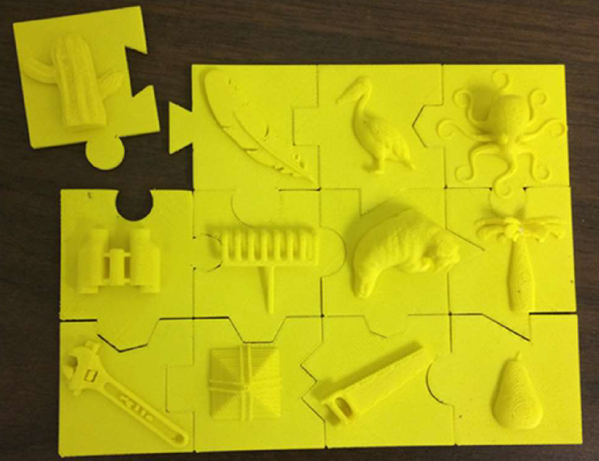
Movable Tactile Pictures
Toward 3D-Printed Movable Tactile Pictures for Children with Visual Impairments
CHI Conference on Human Factors in Computing Systems (CHI’15)

No publications match that filter.

Interested in working with me?

Prospective students: fill out the lab form, then send a hello. For talks, collaborations, and press — email is best.